Most roof problems start small: one slipped tile, a cracked ridge, a tired bit of mortar. Left alone, water finds its way into battens, insulation and ceilings, and a cheap repair becomes an expensive one.
We trace the cause rather than just the symptom, explain what we've found in plain English, and fix it with materials that match your existing roof wherever possible.
What’s included
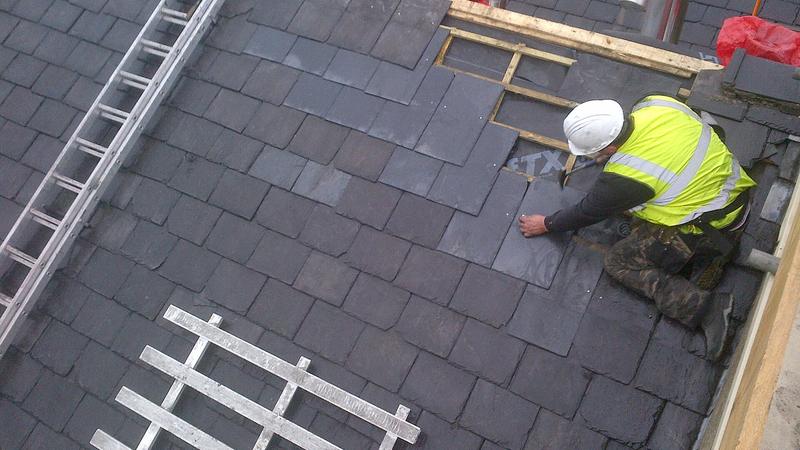
- Slipped, cracked and missing tiles or slates
- Leak tracing and repair
- Ridge and hip re-bedding or dry-fix systems
- Valley repairs and re-lining
- Verge repairs and dry verge
- Flashing and abutment repairs
- Storm and wind damage
- Repairs to felt and underlay at the eaves
Why roofs leak in Sussex
Coastal Sussex gets salt-laden wind and driving rain off the Channel, while the Weald and the Downs see heavy downpours and frost. That combination loosens nails and clips, erodes mortar on ridges and verges, and lifts tiles. Most leaks we see come from one of a handful of places: ridges and hips, valleys, flashings against walls and chimneys, or broken tiles.
Repair or replace?
If the tiles are sound and the problem is local, a repair is almost always the right call. If tiles are crumbling across the whole roof, the felt underneath has perished, or you're paying for repairs every winter, we'll tell you honestly that a re-roof may be better value, and show you why.
Common questions
Can you match my existing tiles?
Usually, yes. Most concrete and clay tiles are still made or can be sourced reclaimed. Where an exact match isn't possible we'll talk you through the closest options before we start.
Do I need scaffolding for a roof repair?
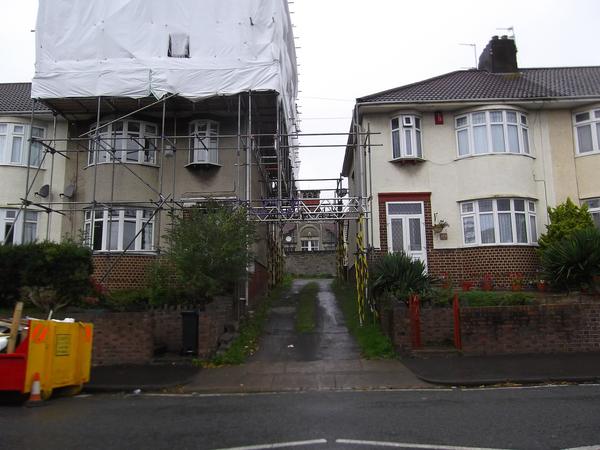
It depends on the height and position of the repair. Some small jobs can be done safely from a ladder or roof ladder; others need a tower or scaffold. We'll tell you which, and why, when we quote.